 Skip to content

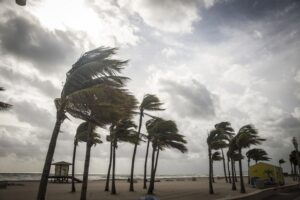
Florida isn’t Florida without tropical storms and hurricanes in the late summer. Hurricane season can be hazardous, even deadly, without proper planning and protection. Even with the best care, though, thousands of people are injured each year, partly due to poor weather conditions after a tropical storm.
If you were hurt in an accident caused by bad weather, you may have grounds to file a claim for compensation against the negligent party. However, many of these types of claims involve complex legal matters, such as vicarious liability. Working with an experienced West Palm Beach personal injury lawyer gives you the best chance of a successful resolution.
Weather-related personal injury accidents and who can be held responsible
You can’t sue a hurricane, but there are legal options you can exercise if another party’s negligence during a storm created conditions under which an accident was more likely to happen.
Learning your options depends on who is liable when bad weather causes an accident, and how the accident and your injuries happened. Let’s look at a few very common situations that Florida natives and visitors typically encounter in inclement weather.
Premises liability: Slip-and-falls on wet surfaces
Frequent rainstorms lead to hazardous conditions on Palm Beach County sidewalks, stores, and office buildings, and in parking lots. Puddles, water tracked into the entryway of buildings, and leaking roofs all make even walking through your local grocery store potentially risky.
Slip and fall accidents are almost always preventable if the property owner responsibly warns visitors of the wet and slippery conditions. Placing wet floor signs, cordoning off areas where a leak drips onto the floor, and promptly cleaning up wet floors are reasonable steps a property owner or manager should take in bad weather. A property owner who fails to keep their premises safe for visitors and guests can be held liable for injuries someone suffers if they slip and fall.
Weather-related car crash
It’s more dangerous to drive in bad weather, as the wet weather creates poor road conditions, but in many cases, even car crashes that happen in stormy weather can be due to the negligence or recklessness of one of the drivers involved.
Failure of a driver to take proper caution, such as turning on their headlights, using windshield wipers, and reducing speed, may be considered negligence, and that driver may be held liable for causing a wreck.
Car accidents can also happen when a power outage affects traffic signals. Drivers can’t control this, and in these cases, it’s the responsibility of the city or county to ensure that police officers direct traffic in busy areas and quickly repair any damaged signs and signals. In these cases, the municipality where the faulty traffic signal is located may be the defendant, in addition to a negligent driver, and you can file suit against that government entity.
Inadequate preparation for tropical storms and hurricanes
From flying debris to collapsed structures and flooding, there are dangers aplenty during a nasty Florida storm. In some cases, liability for your injuries may extend to local governments, homeowners, or business owners who failed to take proper steps to prepare and secure potential hazards.
Property owners are required to follow appropriate building codes and safety protocols to reduce the chances of a building collapse or flying debris. While a property owner may not be able to prevent any damage or danger, they are expected to take reasonable steps to reduce hazards.
State and local governments also have a weighty duty of care to provide adequate warnings about incoming storms and advise residents about mandatory evacuations, potential flooding, high winds, and other dangers. Failure to warn is a common form of negligence, and so the government may be liable for injuries to those affected.
Negligence considerations for claims involving dangerous weather
The presence of a storm doesn’t negate the duty of care that an individual or entity has for the safety of others. Florida tort laws require the plaintiff in an adverse weather-related personal injury claim to prove that the other party acted negligently, considering the weather, or otherwise failed to fulfill their obligations to keep others safe.
For example, property owners have a duty of care to ensure their premises are safe. It’s more challenging in wet weather, but that obligation to keep people from slipping and falling, or from having parts of the building fall on them, remains the same. Likewise, drivers still have a responsibility to follow all traffic laws, including reducing speed in storms and taking other precautions to avoid a wreck, even if it’s raining.
Injured in a Weather-Related Accident? We’re Here to Help
No matter how severe the storm, property owners, drivers, and even government agencies may still be held responsible if their negligence caused your injuries. If your accident involved poor weather conditions or damage caused by improper storm preparation, you may have the right to seek compensation.
The team at Lytal, Reiter, Smith, Ivey & Fronrath understands how challenging weather-related accident claims can be. Our experienced personal injury attorneys will investigate the cause of your accident and help you hold the at-fault party accountable.
Contact us today for a free consultation by calling (561) 655-1990 or filling out our secure online contact form.