 Skip to content

From July 2021 to July 15, 2025, the number of autonomous vehicle accidents in the United States has steadily increased, according to data compiled by the National Highway Traffic Safety Administration (NHTSA).
2023 saw the most crashes involving vehicles with automated driving systems (ADS), especially in July (29) and August (52). In 2024, the NHTSA reported between 22 and 84 crashes each month. Data from 2025 shows an increase in self-driving car accidents, with June seeing the fewest vehicle crashes (72) and May seeing the highest (110). A West Palm Beach car accident lawyer can help you file a claim after a self-driving car collision.
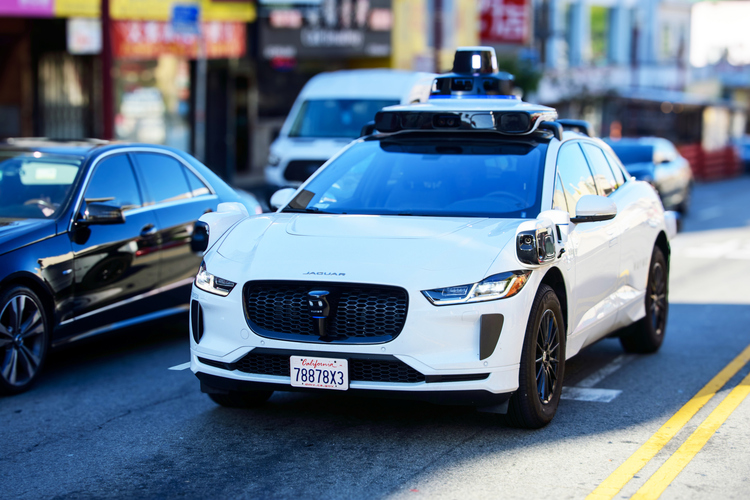
Why are accidents involving self-driving vehicles on the rise?
The limits of self-driving car technology have an impact on the number of accidents. Issues with vehicle sensors, as well as software errors and bugs, can impact vehicle safety. Additionally, these vehicles still have difficulty interpreting complex traffic situations, leading to delays in decision-making that a human driver wouldn’t have.
Even vehicles with Advanced Driver Assistance Systems (ADAS) present risk. This vehicle technology assists with many driving tasks, but drivers must still pay attention to the road. Unfortunately, distracted driving and overreliance on technology often cause collisions linked to human error.
Establishing liability for self-driving car accidents
There are five levels of autonomy for self-driving cars, ranging from fully autonomous (5) to ones with no automation at all. Currently, there are no level-five vehicles available for consumer purchase, meaning all self-driving cars must still have a human operator in charge. Therefore, if that human driver causes a crash, they’re liable for the victim’s damages.
However, if the technology or automated safety features malfunction, or if poorly maintained road conditions are a major factor in the crash, then a third party may share liability for the collision.
When liability rests with the self-driving car manufacturer
Automated vehicle manufacturers have the same responsibilities as traditional vehicle manufacturers to ensure their vehicles are safe for consumer use. Failure to properly test the technology, negligence in the manufacturing process, or an inherent design flaw in the vehicle or software can all be considered negligence, per Florida law, leaving the manufacturer and software designer liable for damages caused.
When liability rests with the human operator
Because all self-driving cars still require human oversight while operating, the human driver ultimately retains control over the vehicle and can therefore be held liable in the event of a crash. So, even if the technology or sensors malfunction, the driver should be paying enough attention to re-engage the automatic driving system and avoid a crash.
Legal advice after an autonomous vehicle crash
Determining fault in a motor vehicle collision involving self-driving technology can become complicated. The laws are still being developed and are subject to change as driving automation technology continues to improve. Many times, the outcome of your claim will rest on case law and the skill of your Florida car accident lawyer.
In addition, there may be multiple defendants in an autonomous vehicle crash lawsuit. The human driver still retains executive responsibility for the vehicle, even if its technology malfunctions. However, if this was an element contributing to the crash, then your attorney may name two defendants in the suit, establishing liability of the car manufacturer. These cases require more resources and legal knowledge than traditional vehicle accidents, and may take longer to litigate.
At Lytal, Reiter, Smith, Ivey & Fronrath, we possess the resources and legal expertise to achieve the best possible outcome for your crash, and we’re committed to representing your rights. Call us today at (561) 655-1990 for a free consultation.