 Skip to content

After a car accident, it is often a good idea to seek medical attention, even if you feel fine at first. Some injuries, including internal injuries and head trauma, may not cause immediate symptoms. Getting checked by a medical professional can help identify hidden issues early and create a medical record linking your injuries to the accident.
A Port St. Lucie car accident lawyer at Lytal, Reiter, Smith, Ivey & Fronrath can help you understand how medical care after a crash affects both your health and your insurance claim.
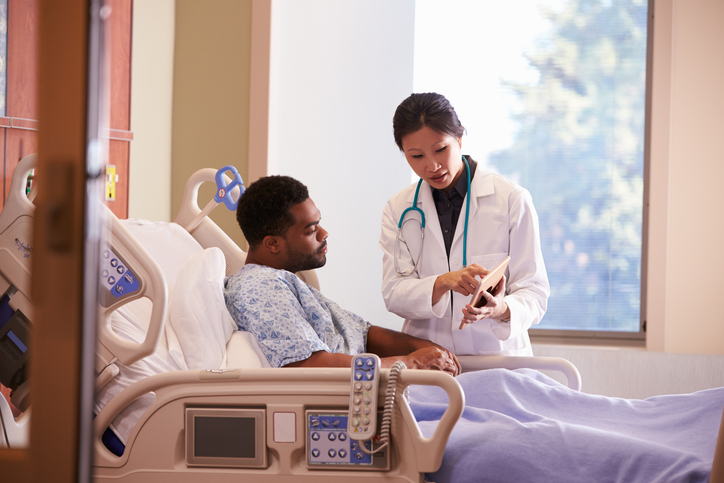
What kinds of injuries can I suffer in a car accident?
In serious crashes, it’s often clear you are severely hurt and need care at a hospital. Yet, many other accidents seem minor, and you may believe you are OK. Unfortunately, it’s easy to suffer delayed symptoms due to the adrenaline rush that often accompanies sudden trauma.
Common injuries that may require medical evaluation after a car accident include:
- Back and neck injuries
- Chest pain or difficulty breathing
- Broken bones
- Head trauma or concussion symptoms
- Mental health issues, such as depression and PTSD
- Internal injuries or internal bleeding
- Deep cuts or embedded debris
- Nerve damage, such as sciatica
Adrenaline can mask pain after a crash, making injuries harder to notice at first. If you do not go to the hospital immediately, it is still important to see a doctor after a car accident if symptoms appear or worsen in the hours or days following the accident.
What are some symptoms that tell me I should go to the hospital?
Your symptoms will vary depending on the car accident injuries you suffered. We generally advise clients to visit the hospital if they are experiencing any of the following signs:
- Fainting or dizziness
- Difficulty staying conscious
- Trouble falling asleep
- Pain or soreness in any part of the body
- Difficulty walking or moving around
- Inability to speak or understand what others are saying
- Bruising, bleeding, or rash
- Blurred vision
- Ringing in the ears
Sometimes, you may not feel anything is wrong until hours or even days after the accident. Some serious conditions, including internal bleeding or traumatic brain injuries, may not be immediately obvious. If you notice concerning symptoms or feel unsure about your condition, seeking medical attention allows a doctor to evaluate your health and recommend appropriate care.
Does getting hospital care after a car accident help my insurance claim?
Going to the hospital after a car crash to seek medical care allows doctors to examine you and diagnose your injuries fully. Medical professionals can perform multiple scans and tests to identify and treat your car accident injuries, often reducing your risk of experiencing permanent harm. Having a clear medical record of what happened to you is invaluable when it comes time to negotiate with insurance companies.
Florida’s no-fault insurance system generally requires injured drivers to first seek benefits through their personal injury protection (PIP) coverage. In cases involving serious injuries that meet Florida’s legal threshold, an injured person may also be able to pursue a claim against the at-fault party.
Connecting your injuries to the accident based on your medical evaluation can help you support your goals of getting better quickly and seeking compensation from those who hurt you.
How will a Port St. Lucie car accident lawyer manage my car accident case?
A Port St. Lucie car accident lawyer can help by reviewing the facts of your accident, explaining how medical care affects your claim, and communicating with insurance companies on your behalf. Having legal guidance can be especially helpful if injuries are serious or symptoms appear after the crash.
If you have questions about medical care after a car accident or how it may affect your claim, Lytal, Reiter, Smith, Ivey & Fronrath offers free consultations. Call (561) 655-1990 or contact us online to discuss your situation.